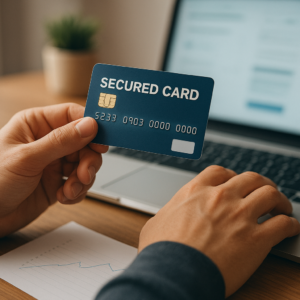
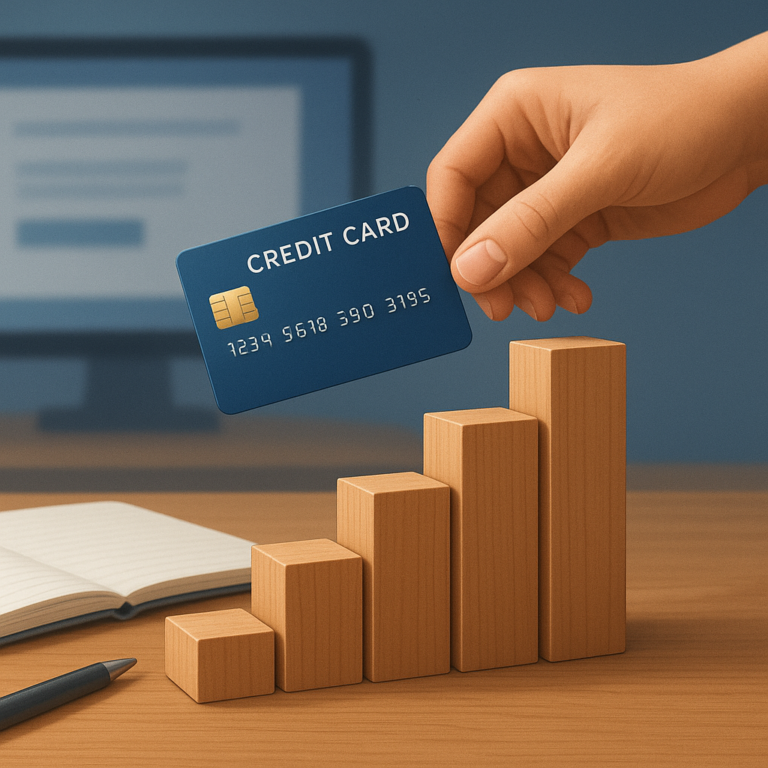
Your first credit card can do more than give you a way to pay online or cover a small purchase. Used carefully, it can help you begin a credit history that lenders, landlords, and even some employers may look at later. The key is to treat the card as a tool for building trust, not as extra spending money.
That means learning a few simple habits early and repeating them every month. Keep balances manageable, pay on time, and watch how each choice affects your credit profile. If you are new to the U.S. financial system, these basics can feel small, but they create the foundation for stronger borrowing options later.
Why your first card matters
A first card often becomes your entry point into the credit system because it creates a record of how you borrow and repay. Credit reports do not reward complexity; they reward consistency. If you make small purchases and pay them off reliably, you show that you can handle credit without drifting into costly debt.
This early history can matter for future goals such as renting an apartment, financing a car, or qualifying for a better card. The first account may have a low limit, but its real value is the pattern it creates over time. Every statement and every payment becomes part of that pattern.
Set up your card for success
Before you use the card, make sure your account information is accurate, your alerts are turned on, and your due date is easy to remember. Many beginners benefit from setting automatic payments for at least the minimum amount, then adding a manual payment if they can. The goal is to reduce the chance of a late mark.
It also helps to link the card to one or two regular purchases, such as a streaming bill or a grocery run. When you use the card in a predictable way, it is easier to track spending and avoid surprises. Simple routines make credit management feel less abstract and more manageable.
Use balances with care
One of the most important habits is keeping your balance well below the limit. Your credit utilization, which compares what you owe to your available credit, can influence how lenders view you. Even if you pay in full each month, a very high reported balance can make your usage look risky.
A practical approach is to charge only what you already know you can repay soon. Many new cardholders aim to stay under a modest share of the limit so the account appears active but not strained. This balance between use and restraint is one of the clearest signals of responsible credit behavior.
Timing can affect what gets reported
Your payment timing matters because card issuers usually report account activity around statement dates. If you pay before the statement closes, the balance that appears on your report may be lower than if you wait until the due date. That does not mean you should ignore the due date; it simply means timing can shape what others see.
For beginners, a smart habit is to review the statement cycle and note when the balance is recorded. Paying early can help if you want to keep the reported utilization low. Over time, this can support a steadier credit profile, especially when paired with on-time payments and moderate spending.
Build habits that support growth
Consistency matters more than perfection when you are starting out. One missed payment can cause damage that takes time to repair, while months of careful use can steadily improve your track record. Use reminders, budgeting apps, or calendar alerts to make sure each due date stays visible.
It also helps to check your statements carefully for unfamiliar charges or fees. When you understand your account, you are less likely to overspend or miss a problem that could grow. Credit building is not only about paying bills; it is about learning how to manage the account with attention.
Avoid common mistakes
New cardholders sometimes treat the limit as a goal instead of a boundary. That can lead to high balances, interest charges, and stress that makes repayment harder. Another common mistake is making only the minimum payment for too long, which can slow progress and increase the total cost of borrowing.
It is also wise to avoid applying for too many accounts too quickly. Each application can create pressure on your profile, and too many new cards can make management harder. A single well-managed first card usually provides enough opportunity to begin building a solid foundation.
Do not ignore fees and interest
Fees and interest can quietly turn a helpful first card into an expensive one. If you carry a balance, interest may accumulate quickly, especially on purchases that you do not pay off soon. Reading the terms of the account helps you understand how much a mistake could cost.
Some beginners focus only on the rewards or the card design and overlook the rate, grace period, or penalty charges. Those details matter because they affect how forgiving the account will be if your budget changes. A good first card is one you can actually manage with confidence, not one that merely looks impressive.
Know when to move up
After several months of on-time payments and stable use, you may be ready for a card with better rewards or a higher limit. Improvement usually comes from proving that you can handle the starter account responsibly over time. Lenders want to see that you can borrow, pay, and repeat the process without trouble.
When you consider an upgrade, compare the annual fee, interest rate, rewards, and approval requirements. A stronger card should fit your spending habits and financial goals, not tempt you into overspending. Moving up works best when the next account supports the same disciplined habits that helped you earn it.
Keep the long view
Credit building is a slow process, and your first card is only the beginning. The habits you build now can influence how you handle every future account. If you use the card carefully, pay on time, and keep balances under control, you give yourself a much better chance at financial flexibility later.
Think of each month as another chance to reinforce the pattern. Small, repeated actions create the history that credit systems value. With patience and discipline, your first card can become a reliable stepping stone rather than a source of stress, and that is the real win for a new credit user.