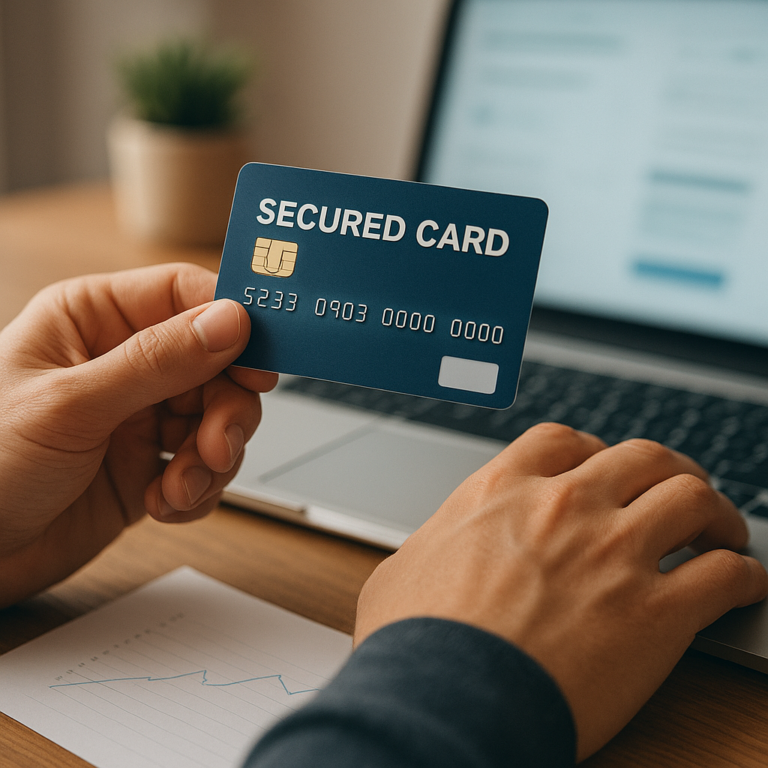
If your credit history is thin, damaged, or still under construction, a secured credit card can offer a practical way forward. It works much like a regular card for purchases and payments, but it asks for a refundable security deposit that helps reduce the issuer’s risk. That structure can
make approval easier while you build better habits and create a record of responsible use. Many people worry that a secured card is a sign of failure, but it is better seen as a training tool. You can use it to learn how balances, due dates, and credit reporting work
What a secured card is
without taking on a large amount of risk. The key is to treat it like a stepping stone, not a permanent label, so every payment helps move you toward stronger options. A secured credit card is a card account backed by a cash deposit you provide when opening it. That deposit
usually sets your credit limit, so a $300 deposit often means a $300 limit. You can still shop online, pay bills, or cover small expenses, and the account may report to the major credit bureaus just like many unsecured cards do. The point is not to spend more, but to show
steady, low-risk use over time. Because the lender has your deposit, it may be more willing to approve applicants who have bad credit, no credit, or a long gap since their last account. For someone rebuilding, that can be the bridge between being denied and being able to start.
How the security deposit works
Your deposit is not a fee in the normal sense; it is usually held as collateral while the account is open. If you manage the card well, you may get the deposit back when the account is upgraded or closed in good standing, depending on the issuer’s rules. That makes the deposit a safety feature for the lender and
a discipline tool for you. It is smart to choose a deposit amount you can afford to set aside for a while. Do not tie up money you need for rent, food, or emergencies. A smaller limit can still be useful if you use the card carefully, because credit building depends more on consistency than on having a large line.
Deposit, limit, and reporting
Before you apply, check whether the issuer reports activity to all three major bureaus. That matters because a card that does not report will not help much with rebuilding. Also confirm how the deposit is stored, whether the account can graduate later, and whether the annual fee is reasonable compared with the benefits.
Who should consider a secured card
A secured card can fit several situations: you are new to credit, you are recovering from missed payments, or you have been turned down for unsecured products. It can also help if you want a predictable, controlled way to practice managing credit without the temptation of a high limit. If you are likely to overspend, the low ceiling can
be a useful guardrail. That said, a secured card is not ideal for every person. If you can already qualify for a simple unsecured starter product with low costs and good reporting, that may be a better deal. The best choice is the one that gives you a clear path to progress while keeping fees, terms, and risks manageable.
How to move from secured to unsecured
Graduating from a secured card usually depends on steady payments, low balances, and time. Some issuers review accounts automatically after several months, while others require you to request an upgrade or apply for a different card. If the account is in good standing, the lender may return your deposit and convert the product to
an unsecured version. To improve your chances, pay on time every month, keep your utilization low, and avoid cash advances or unnecessary charges. Even one late payment can slow progress because payment history is a major factor in most scoring models. Think of the account as a practice runway that rewards patience and discipline.
Habits that support graduation
Set one recurring expense, such as a streaming bill or small subscription, and pay it off in full. That approach keeps activity simple and makes it easier to stay within a small limit. You can also turn on alerts, schedule automatic payments, and review statements carefully so mistakes are caught early.
Common mistakes to avoid
One common mistake is treating the deposit like spending money and then maxing out the card. Another is missing due dates because the limit feels small and easy to ignore. Even with a secured card, high balances and late payments can damage the very progress you are trying to create. It is
also wise to avoid opening too many accounts at once. Each application can add complexity, and multiple new accounts can make your credit profile look unstable. Focus on one well-managed secured card first, then add other accounts only when you have a clear reason and enough confidence to handle them.
A steady starting point for better credit
For many readers, a secured card is less about immediate rewards and more about building a reliable track record. It offers a structured way to learn the rules of credit, prove responsibility, and create momentum after setbacks. If you use it with patience, the deposit becomes more than collateral; it becomes the first step in
a stronger financial story. The most important thing is to keep the plan simple. Choose a card with fair terms, fund the deposit from money you can spare, and use the account lightly while paying in full and on time. That steady routine can help transform a cautious beginning into a cleaner credit future.